Productpreneur Marketing
Where Premium Brands Come To Grow
WHERE PREMIUM BRANDS COME TO GROW


How Babiators Achieved 154% Revenue Growth – While Cutting Discounts, Raising Prices, and Walking Away From the Promotional Treadmill
Babiators is a premium children’s eyewear brand. Flexible frames built to survive everything a toddler can throw at them (literally). Genuine UV-protective lens technology – not just tinted plastic that looks the part. A warranty that actually means something. These are sunglasses designed for the years when UV damage to a child’s eyes accumulates fastest.
This is a brand that genuinely deserves premium positioning.
But when we took over the marketing just over a year ago, the marketing told a completely different story.








How We Started.
Years of frequent discounting had trained the customer base to wait for the next sale. Not necessarily deep discounts – but constant ones. Flash deals, percentage-offs, “limited time” promotions. The classic eCommerce playbook that everyone thinks is mandatory.
The email calendar was dotted with sales. The first interaction every new subscriber had with the brand was a 10% off code. Every campaign was about price.
Meanwhile, the brand story – the science of UV protection for children’s eyes, the genuine quality of the product, the reasons parents should care – was being drowned out by promotional noise.
And to make it worse: the RRPs had been frozen for years. Costs had risen. Shipping had risen. The product had actually improved. But the price tags hadn’t moved.
So we had a premium product being sold at outdated prices, to a list that had been conditioned to wait for discounts, in a market where the brand’s real value story wasn’t being told.
All of this happened against the backdrop of one of the toughest years eCommerce has had in a decade:
→ Softening consumer demand
→ Rising CPMs across paid media
→ Declining organic search traffic thanks to AI-driven changes in Google
→ Tighter household budgets across Australia and New Zealand
Despite all of that, Babiators didn’t just hold its ground. It grew – fast, and far more profitably than before.

The Challenge.
There were four interconnected problems we needed to untangle.
1. The brand had been trained into the discount trap
Customers had been conditioned over years to wait for promotions. Full-price purchases were becoming the exception, not the rule. Email campaigns that didn’t include a code consistently underperformed against ones that did – because the audience had been taught that the discount was the point.
2. Prices no longer reflected the product’s actual value
Frozen RRPs across a multi-year period meant margin had been quietly eroding. There was no headroom to invest in better marketing, stronger creative, or premium positioning – because the pricing said “budget” while the product said “premium.”
3. The brand was being drowned out by promotional noise
There was no consistent education on UV damage to children’s eyes. No customer stories. No community. Just a steady stream of “X% off, ends Friday.” Parents weren’t being given any reason to buy beyond price.
4. The acquisition flywheel was attracting the wrong audience
A “20% off your first order” pop-up trained every new subscriber, before they’d even bought, that this was a brand that discounted. New customers entered the ecosystem already looking for the next deal.

The Strategy.
We rebuilt the marketing around four moves. The first one was the most counterintuitive – and arguably the most important.
1. Reset the Price (Yes, Up)
Most agencies, looking at a brand stuck in discount dependency, would pull back on promotions first. We did the opposite. The first thing we did was raise prices.
This sounds mad on paper. Customers are already conditioned to wait for discounts, and we’re making the full price higher?
But the logic is critical. The prices hadn’t moved in years. The costs had. The product genuinely justified premium positioning. If we were going to wean customers off discounts, we needed margin headroom to do it – and we needed the full price to actually reflect what the product was worth.
You cannot convince customers you’re worth full price if your full price doesn’t reflect your value. Premium positioning starts with premium pricing.
Was there pushback? A little. That’s normal when prices change. But the customers who stayed were the right ones – the ones who valued quality and understood why protecting their kids’ eyes mattered. The ones who left were never going to be profitable customers anyway. They were loyal to discounts, not the product.
We weren’t losing valuable customers. We were filtering out the wrong ones.
Pricing Result
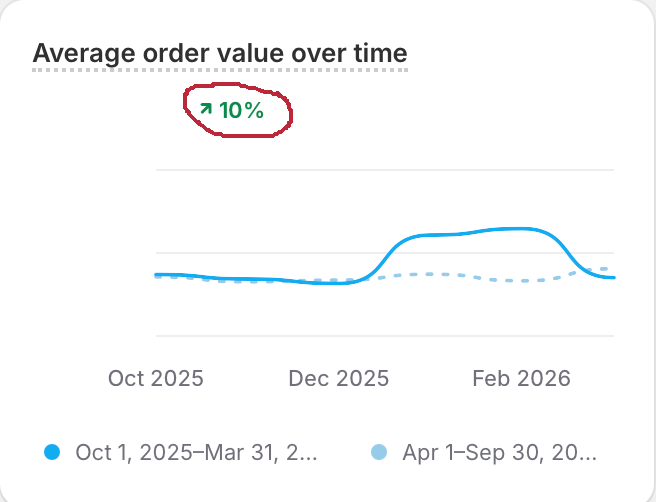
RRPs were increased across the board with no measurable customer exodus, and AOV grew by 10%.
2. Change the Entry Point
The 20% off welcome offer was scrapped. In its place: a free gift with first purchase.
But the gift wasn’t a throwaway keychain or sticker. It was a real product from the range – chosen specifically because it improves the customer’s experience with their main purchase. It solves the biggest problem parents face with kids’ sunglasses: keeping them on a wriggly toddler.
Three things shifted at once. The cost to us was lower than the margin we were giving away with discounts (the gift’s wholesale cost, versus the dollar value we used to discount). The perceived value to the customer was higher (they could see the retail price of the gift on the site). And – most importantly – the first message every new subscriber received was “this brand adds value,” not “this brand discounts.”
Over time, this completely changed the composition of the email list. New subscribers weren’t deal-hunters. They were parents who valued the product enough to want everything that came with it.
3. Shift Content From Promotion to Education and Social Proof
This was the biggest transformation. We replaced relentless promotional pushes with content that earned the sale.
Instead of “20% off, ends tonight,” parents started receiving:
→ Education on UV protection and why children’s eyes are more vulnerable than adults’ (their pupils are larger and their lenses clearer, so more UV gets through)
→ Sun safety guides for Australian families
→ Plain-English breakdowns of UV ratings – what UVA, UVB, and UV400 actually mean
→ Customer stories and UGC of real kids wearing the product at the beach, the park, on holiday
→ Media coverage from Channel 7, Yahoo Lifestyle, and parenting publications
→ Genuine, enthusiastic restock and product launch announcements – not discount urgency
The data made the case undeniable.
Email Performance
→ A single educational email explaining UV protection ratings – with no discount code attached – generated nearly $15,000 in revenue.
→ An email about why kids’ eyes are at greater risk from UV damage delivered a 61.7% open rate.
→ “Are kids’ sunglasses really necessary?” – 63.4% open rate.
→ Educational campaigns averaged a 55.4% open rate. Social proof campaigns averaged 56.1%. Value-led content stabilised at 60% and above – against an industry average closer to 15–20%.
Even more telling: educational content attracts engaged buyers, not deal-hunters. The customers who open an email about UV science are the ones genuinely interested in the brand. They convert at full price because the value has been established before the ask.
Klaviyo Result
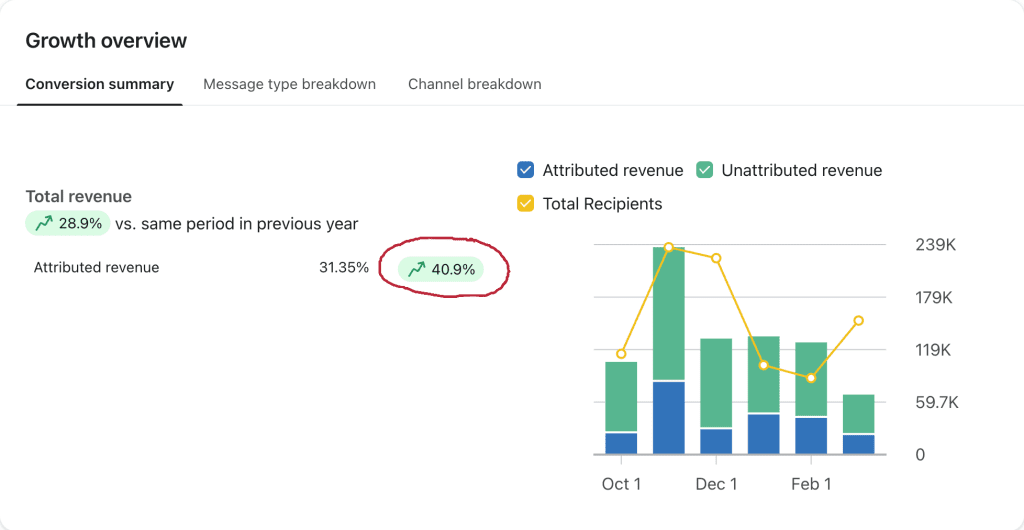
Klaviyo’s contribution to total revenue increased by 41% – driven by content people actually wanted to read.
4. Make Discounting Strategic, Not Habitual
We didn’t ban promotions. Parents of young kids are in a genuinely expensive life stage, and there are real moments when they’re actively budgeting and looking for deals.
The shift was from habitual discounting to strategic discounting:
→ Promotions now only happen at genuine retail moments – Black Friday, Boxing Day, Afterpay Day. Times customers are already mentally preparing for purchases.
→ Outside those moments, discounts are only available on bundles. If you want a discount, you have to commit more, not less. This self-selects for customers who actually want the products – not the cheapest possible single item – and bundle customers tend to be the stickiest.
→ Scarcity became real again. No fake countdown timers. When we say “ends Friday,” it actually ends Friday.
A single Black Friday VIP Early Access campaign generated over $6,300 – the brand’s highest-performing single send all year. Because when promotions are rare, they actually mean something.
Paid Media: Doing More With Less
Underpinning all of this, we restructured the paid media strategy in line with the brand-led approach.
Meta Ads
15% more spend, 80% improvement in ROAS. Education-led creative consistently outperformed promotional creative once we let the brand story do the work.
Google Ads
2x revenue with stable ROAS. And crucially, we did it without leaning on the easy low-hanging-fruit “brand name” searches that so many media buyers use to inflate their numbers. This was real incremental growth from cold demand – the kind that builds a business, not just a dashboard.
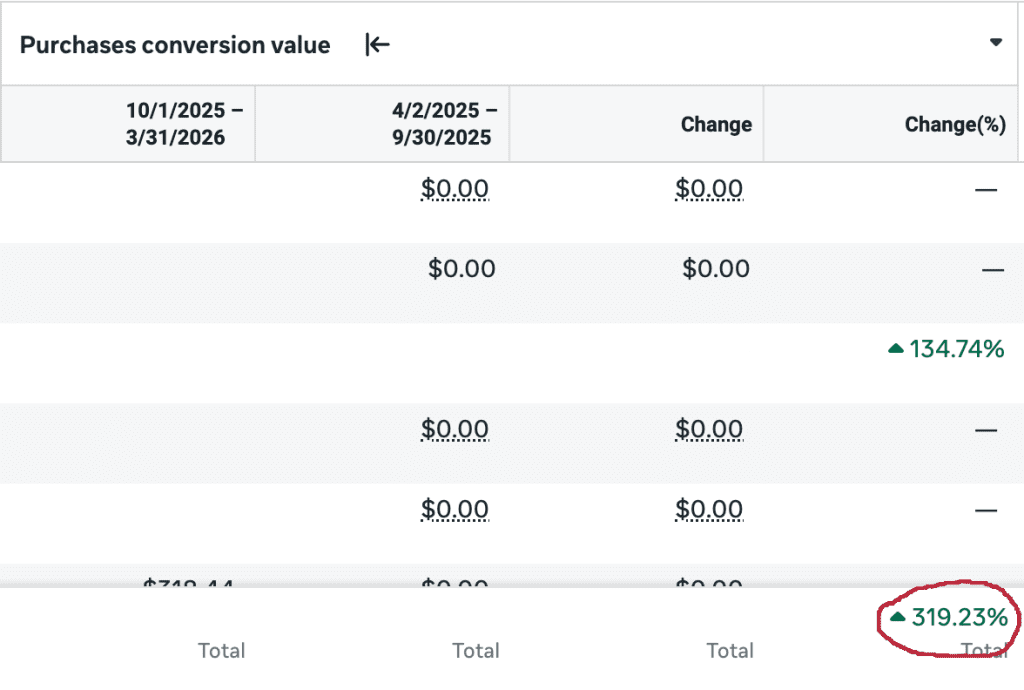
The Results (in a year most brands were going backwards).
Twelve months after taking over the brand, the numbers tell the story of what’s possible when a premium brand stops behaving like a budget one:
→ 154% revenue growth
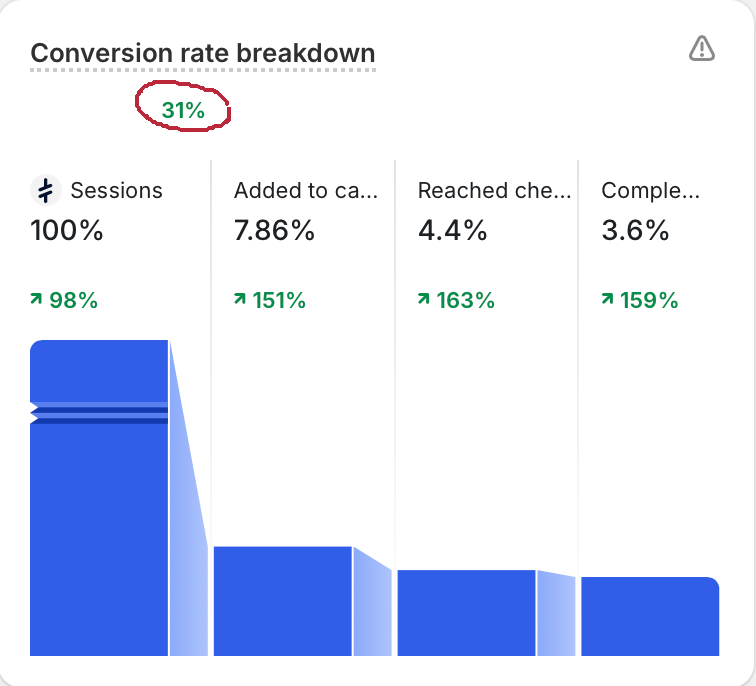
→ 31% increase in conversion rate
→ 10% increase in average order value
→ 80% improvement in Meta Ads ROAS on only 15% more spend
→ 2x revenue from Google Ads with stable ROAS – and without leaning on brand-name searches
→ 41% increase in Klaviyo’s contribution to total revenue
→ RRPs increased across the board with no customer exodus
→ Significantly fewer promotions, with shallower discounts – and higher profit overall
All while the broader Australian eCommerce market was contracting.
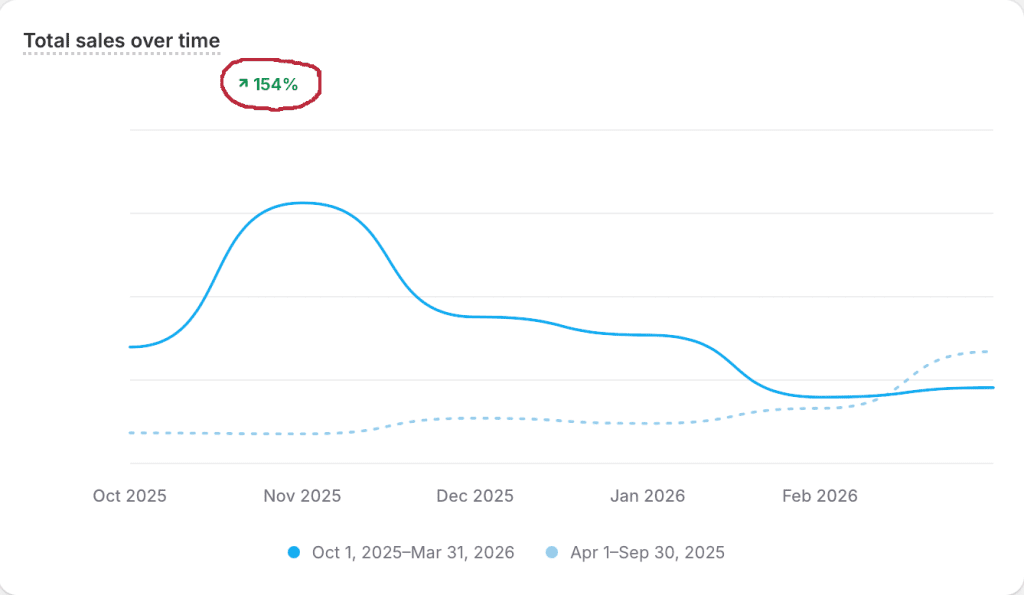
What's different now.
The practical reality of running this business is simply different.
There’s no scrambling to hit revenue targets by throwing more sales at the problem. No watching the calendar for the next promotional spike. Revenue is steadier. Profit is healthier. The team isn’t constantly building and launching another “20% off” campaign that erodes margin.
The brand has a voice now. It has a purpose. It’s not a discount delivery system – it’s a trusted source of information for parents who care about protecting their children’s eyes. The customers who buy aren’t borrowed customers waiting for the next deal somewhere else. They’re customers who believe in the product.
And that’s the real result.
Discount-acquired customers are loyal to deals, not brands. The moment someone offers a better one, they leave. But customers who buy because they believe in the product – because they understand the value – those customers stay.
Babiators didn’t grow 154% by working harder on promotions. It grew by walking away from the promotional treadmill entirely, and giving customers a much better reason to buy: a brand worth believing in.
YOUR TURN
This kind of growth doesn't happen by accident.
What worked for Babiators wasn’t a template. It was a custom strategy designed around their brand, their buyer, and their specific market – directed by a senior strategist who got to know the business inside out.
That’s what we do – at three different levels of partnership, depending on where your business is. Some founders start with one of our self-paced Growth Playbooks. Others hire a strategist to direct their team. And some hand the whole engine to us through our Brand Growth Partnership.
Whichever level fits, it starts the same way: a real conversation about your brand.

About Productpreneur Marketing.
Productpreneur Marketing is a senior eCommerce marketing strategy agency working exclusively with premium brands across Australia, New Zealand, and (occasionally) further afield. Our average client stays with us over two years – not because they’re locked in, but because the work continues to compound.
We work in three tiers. Self-paced Growth Playbooks for founders who want to do the strategic work themselves. Hire a Strategist engagements for brands ready for senior strategic leadership directing their existing team. And full Brand Growth Partnerships for premium brands ready to hand the entire marketing engine to a specialist team.
Our founder, Catherine Langman, brings two decades of digital marketing experience – including senior work with Microsoft, Coca-Cola, Blackmores, and RMK Shoes – plus a decade as a premium eCommerce founder herself, having launched, scaled, and sold an award-winning international brand. That dual lens – marketing strategist and eCommerce operator – is what shapes how every member of our team thinks about your business.
We don’t just run campaigns. We build growth systems – designed specifically for premium buyer psychology, not generic platform best practices.